Rhinoplasty recovery at a glance
- Hospital stay
- 1 night
- Splint off
- After about 7 days
- Time in Istanbul
- 7 to 10 days
- Desk work
- After 2 to 3 weeks
- Sport
- Usually after 6 weeks
- Final shape
- About 12 months
Typical values for a first rhinoplasty. Your own timeline is confirmed after your examination and can be longer after a revision.
What is the recovery timeline after rhinoplasty?
Recovery has three stages: the first week with the splint, the weeks when bruising fades and you return to normal life, and the months when the swelling slowly settles. The table below shows the main steps for a first rhinoplasty.
- Day 1
- Discharge from hospital. Rest at the hotel with the head raised.
- Day 7
- The splint and stitches are removed at the clinic.
- Weeks 2 to 3
- Most of the bruising has faded. Most patients return to desk work.
- Week 6
- Sport is usually allowed again after the surgeon’s check.
- Month 3
- Most of the visible swelling has gone. The tip is still settling.
- Months 6 to 12
- The remaining swelling, mostly at the tip, goes down slowly. The final shape develops over this period.
What happens in the first week, day by day?
The first week is the most restrictive part of recovery. You spend one night in hospital, then rest at the hotel with the splint on. Most patients describe it as a blocked nose and pressure rather than strong pain.
| Day | What to expect | What you do |
|---|---|---|
| Day 0 | Surgery under general anaesthesia, usually 2 to 3 hours. You wake up with a splint and a blocked nose. | Rest in hospital with the head raised. Nurses check you through the night. |
| Day 1 | Discharge after the surgeon’s check. A little blood-tinged ooze is common. | Rest at the hotel. Take the medication as given. Change the gauze under the nose when needed. |
| Days 2 to 3 | Swelling and bruising usually peak. The eyes can be puffy. | Cold compresses around the eyes, not on the splint. Sleep with the head raised. Short walks indoors. |
| Days 4 to 6 | Swelling starts to go down and bruising turns yellow. | Short walks outside are fine. Avoid bending, lifting and blowing your nose. |
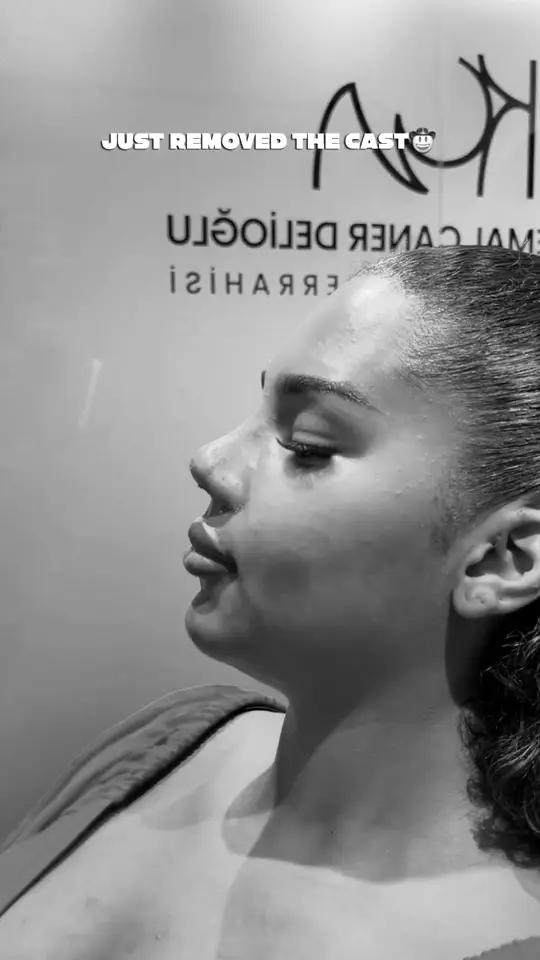
| Around day 7 | The splint, the stitches and any internal splints are removed at the clinic. | The surgeon checks the nose and explains taping and care for the coming weeks. |
More detail: When does the cast come off?, Nasal packing and splints and Bleeding after rhinoplasty: how much is normal?
What changes in weeks 2 to 4?
Most bruising fades in the second week and most people go back to desk work after two to three weeks. The nose still looks swollen to you, but much less to other people.
- The nose feels stiff and the tip can be numb. This is normal and eases over months.
- Breathing through the nose improves as the swelling inside goes down. Saline rinses help.
- Light walks are fine. Running, the gym and contact sports wait.
- Taping at night may be advised, especially with thicker skin.
- You can wash your face and wear light make-up on the bruises once the splint is off.
Week by week detail: Rhinoplasty recovery, week by week.
What happens between month 1 and month 3?
Most of the visible swelling settles during these months. The bridge usually looks defined first; the tip follows more slowly. Morning swelling is common and goes down during the day.
Sport is usually allowed again after about six weeks, once the surgeon has seen your photos. Glasses can usually rest on the nose again after about six weeks; until then, tape them to the forehead or use contact lenses.
When does the nose look final?
The final shape is usually seen at about twelve months. The last swelling sits at the tip and goes down slowly, so small changes continue through the year.
- Thick skin: the tip can take more than a year to settle. See ethnic rhinoplasty.
- Revision: swelling lasts longer, often twelve to eighteen months. See revision rhinoplasty.
- Numbness at the tip: usually fades within months. See Numb or hard nose tip after rhinoplasty.
Do not judge the result in the first months. A touch-up, if ever needed, is only considered once the nose has settled, usually after a year.
How long do swelling and bruising last?
Bruising usually lasts one to two weeks. Swelling lasts longer: most of it settles in the first three months, and the rest, mainly at the tip, over the following months.
- Sleep with the head raised for the first two weeks.
- Use cold compresses around the eyes in the first two days.
- Keep salt and alcohol low in the first weeks.
- Avoid heat: saunas, hot baths and strong sun in the first months.
More detail: How long does swelling last after rhinoplasty?
When can I sleep, shower, fly and exercise normally?
Sleeping
On your back with the head raised on two pillows for about two weeks. Sleeping on your side can usually start after that.
Showering and washing
You can shower from the day after surgery if you keep the splint dry. Wash your hair leaning back, as at the hairdresser’s.
Flying home
Most patients fly the day after the splint comes off, 7 to 10 days after arriving. Cabin pressure can cause a feeling of fullness; it is not harmful. Drink water and use the saline spray you were given.
Work
Desk work after two to three weeks. Physical work can need four to six weeks.
Sport
Walking from the first days. Light exercise after about three weeks, running and the gym after about six weeks, contact sports and swimming in open water after the surgeon allows them.
Sun
Use sun cream and a hat for the first months. Sunburn on a swollen nose can make the swelling last longer.
Smoking and alcohol
Do not smoke for several weeks before and after surgery: smoking slows healing. Avoid alcohol while you take medication and in the first week.
When should I contact the clinic straight away?
Contact the clinic at once, or go to an emergency service if you are at home and cannot reach us, if you notice:
- Bleeding that does not stop after 15 to 20 minutes of sitting up, leaning forward and gentle pressure.
- A fever with increasing pain, redness or swelling after the first days.
- Swelling that gets worse on one side, or a painful lump inside the nose.
- Pain that the medication does not control.
- A blow to the nose, or a change in the shape after an injury.
- Difficulty breathing that is not explained by the splint or swelling, or any change in your vision.
See also Nosebleed: how to stop it and when to get help. The team answers on WhatsApp, and you can send a photo with your message.
Can I make recovery faster?
There is no shortcut, but you can avoid slowing it down. The simple things matter most:
- Follow the written instructions you get at discharge.
- Keep the head raised and use cold compresses in the first days.
- Do not smoke, and stop blood thinners and supplements only as advised before surgery.
- Do not blow your nose for the first weeks; use saline rinses instead.
- Protect the nose from knocks, heavy glasses and sun.
- Send your follow-up photos on time, so small questions are answered early.
How does follow-up work after I fly home?
Follow-up continues online. You send photos from the same angles at set times, for example at one month, three months, six months and one year, and the surgeon replies with advice. Between those dates you can write on WhatsApp with any question.
If you want to see the whole trip from planning to follow-up, read Rhinoplasty in Turkey and the international patients guide.
Medically reviewed by Op. Dr. Kemal Caner Delioğlu, ENT and head and neck surgeon ·