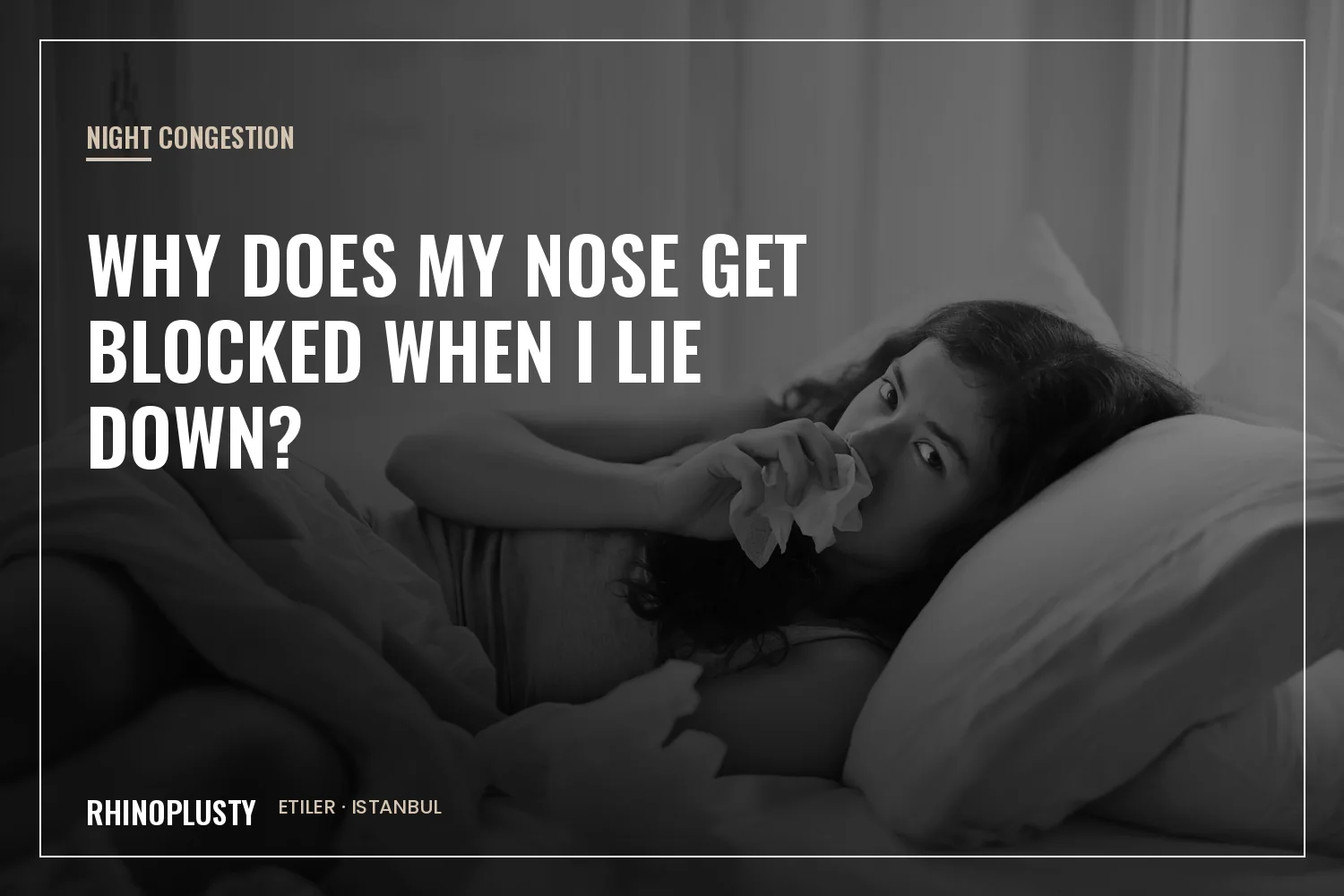
A nose can feel more blocked when you lie down because drainage changes and nasal tissues swell. Use this bedtime checklist and know when to seek an ENT assessment.
A blocked nose at night may result from gravity, the normal nasal cycle, allergy-related swelling, enlarged turbinates or a deviated septum. Lying down can make drainage and airflow feel worse, but the pattern alone does not identify the cause. A simple bedroom and spray checklist can help while persistent, one-sided or severe symptoms need assessment.
- Lying down can increase the feeling of swelling and reduce drainage.
- Allergens, dry air, smoke and bedroom dust may worsen night congestion.
- Saline can help some people, while overusing decongestant spray can cause rebound blockage.
- Snoring with breathing pauses or persistent one-sided blockage should be assessed.
Why does lying down make the nose feel blocked?
Lying down changes drainage and removes the small gravitational advantage you have while upright. Blood flow and fluid in the nasal lining can also make the tissues feel fuller. The normal nasal cycle alternates which side is more open, so the lower side may feel particularly congested when you sleep on it. A cold, allergy, dry air, smoke or bedroom dust can add swelling. This pattern is common, but it cannot by itself distinguish inflamed lining from enlarged turbinates or a deviated septum.
Why can it clear when I stand up?
Standing changes pressure, drainage and the position of swollen nasal tissue, so airflow may improve within minutes. That improvement does not prove the problem is harmless or purely positional. Notice whether the blockage switches sides, follows exposure to pets or dust, comes with sneezing and itching, or stays on one side. Thick mucus, facial pressure, fever, reduced smell or repeated bleeding add useful information. Keep a short symptom record for a clinician rather than repeatedly changing sprays without advice.
Is it allergy, turbinates or a septum?
Allergy is more likely when congestion comes with sneezing, itching, watery eyes or a clear seasonal or bedroom trigger. Enlarged turbinates can narrow both sides as the lining swells. A deviated septum often makes one side consistently tighter, although swelling can make both sides feel blocked. Examination is needed to tell these apart. If the main issue is persistent airflow rather than an occasional cold, read about septorhinoplasty assessment and discuss the findings with an ENT clinician.
What helps a blocked nose at night?
- Raise the head slightly and try the other sleeping side; stop if this causes neck pain.
- Reduce bedroom smoke, fragrance, pet exposure and dust reservoirs. Wash suitable bedding regularly and keep the room comfortably, not excessively, humid.
- Use a saline spray or rinse if it suits you. For a rinse, use sterile, distilled or previously boiled and cooled water with clean equipment.
- Use medicated sprays only as directed. Decongestant sprays can cause rebound blockage when used too long; corticosteroid sprays need correct technique and suitable advice.
- If symptoms persist, book an assessment rather than escalating treatment on your own.
When does night blockage suggest a structural problem?
Arrange an ENT assessment when the obstruction lasts for weeks, remains on the same side, affects exercise or sleep, or comes with reduced smell and frequent mouth breathing. Snoring with witnessed pauses, gasping or marked daytime sleepiness may indicate sleep-disordered breathing. Seek urgent help for severe breathing difficulty, blue lips, facial or throat swelling, confusion or uncontrolled bleeding. An online nose analysis can help you organise the history before an appointment: start an online assessment.
Frequently asked questions
Can a blocked nose at night cause snoring?
Yes. Nasal resistance can encourage mouth breathing and contribute to snoring, but loud snoring with pauses, choking awakenings or daytime sleepiness needs medical assessment.
Why does one nostril block when I lie down?
The normal nasal cycle and the side you sleep on can make one side feel fuller. Persistent blockage on the same side can also reflect a structural narrowing or another nasal condition.
Should I use a decongestant spray every night?
Do not use a topical decongestant longer or more often than its instructions allow. Prolonged use can cause rebound congestion. Ask a clinician about alternatives if blockage continues.
When should I see an ENT?
Arrange an assessment for symptoms lasting weeks, repeated night blockage, reduced smell, recurrent bleeding, mouth breathing or obstruction that remains on one side.
When is night-time blockage an emergency?
Severe difficulty breathing, blue lips, facial or throat swelling, confusion, or a nosebleed that will not stop needs urgent help. Use 999 in the UK, 112 in the EU or Turkey, or 911 in the US and Canada.
Medically reviewed by Op. Dr. Kemal Caner Delioğlu, ENT and head and neck surgeon ·
This article is general information. It does not replace an examination.